Urinary Incontinence and Young Female Athletes
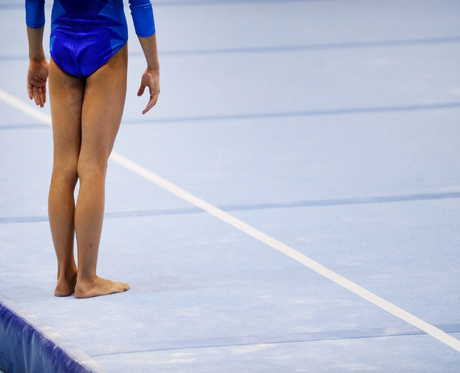
Urinary incontinence in female athletes is common. A recent study found that compared to sedentary women, athletes had a 177% higher risk of urinary incontinence.
What is urinary incontinence?
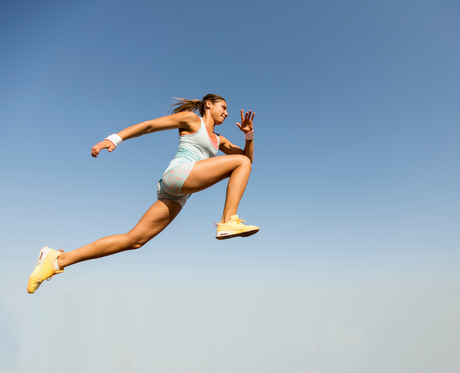
Urinary incontinence is the involuntary leaking of urine. There are different types of incontinence, but stress urinary incontinence in female athletes can occur during sports. Stress urinary incontinence is the involuntary leaking of urine with activities (running, jumping, lifting, coughing, sneezing, etc.).
What causes stress urinary incontinence in female athletes?
There are numerous causes of stress urinary incontinence but some of the most common are:
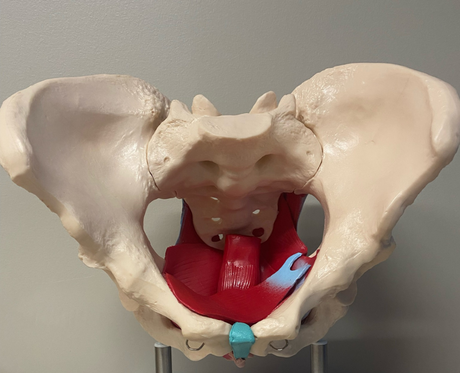
- If the pelvic floor muscles are not strong enough, the muscles will not be able to fully close off the urethra which can lead to leaking urine with activity.
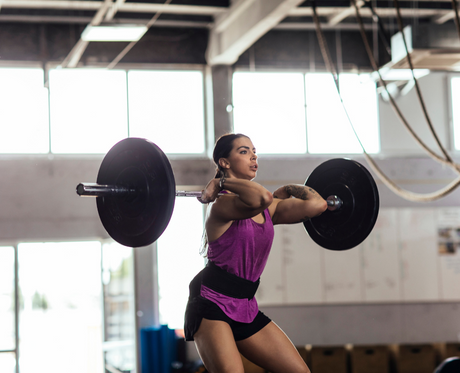
- If pressure is not managed well through the abdomen and someone is holding their breath during activities, more pressure is put into the pelvic floor which can cause leaking.
- If other muscles that surround the pelvic floor (lower abdominal muscles, glutes, quads, etc) are not strong enough, the pelvic floor may be over compensating and working too hard. This can lead to pelvic floor muscle fatigue and as a result, leaking.
Why does this matter?
Individuals who experience urinary incontinence are often too embarrassed to mention their symptoms to others. The above study also found that 87% of young female athletes experiencing incontinence said they would never mention their symptoms to their coach.
This can negatively impact an athlete’s quality of life and if symptoms are bothersome enough, may lead to sport drop out or activity modification.
Who is at risk?
Anyone can experience urinary incontinence. A study out of Boston Children’s Hospital recently looked at young female athletes between the ages of 15 and 30 years old and found that athletes competing in impact sports were 4.5x more likely to experience urinary incontinence vs. athletes competing in non-impact sports. This study also found that athletes with low energy availability were 2x more likely to experience urinary incontinence.

What can be done about incontinence in female athletes?
The good news is that physical therapy can help! There are many different physical therapy exercises that can help strengthen the pelvic floor and surrounding muscles. Strengthening muscles below the pelvic floor (calves, quads, glutes) and muscles above the pelvic floor (lower abdominals) helps to take pressure off the pelvic floor and helps manage impact during jumping and running. Focusing on breathing techniques during impact exercises can also help to decrease the pressure into the pelvic floor which can help reduce leaking.
If you or someone you know is experiencing urinary incontinence with sports, email us at office@girlfitpt.com or call us at 617-618-9290 to schedule a PT appointment or Wellness Visit with one of our pelvic health physical therapists!
Our Instagram page (@girlfitrocks) is also a great resource that offers exercises that can help with urinary incontinence!
Follow us on Instagram @girlfitrocks

- Rebullido TR, Gómez-Tomás C, Faigenbaum AD, Chulvi-Medrano I. The Prevalence of Urinary Incontinence among Adolescent Female Athletes: A Systematic Review. Journal of Functional Morphology and Kinesiology. 2021; 6(1):12. https://doi.org/10.3390/jfmk6010012
- Whitney KE, Holtzman B, Cook D, et al. Low energy availability and impact sport participation as risk factors for urinary incontinence in female athletes. J Pediatr Urol. 2021;17(3):290.e1-290.e7. doi:10.1016/j.jpurol.2021.01.041