Introduction
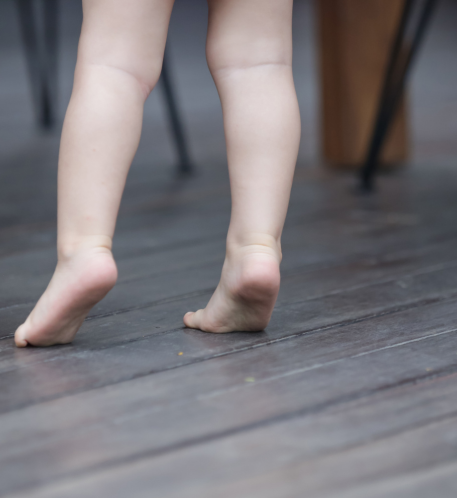
Idiopathic toe walking (ITW) is a term used to describe a condition where a child walks on their toes without any known medical reason. While toe walking can be a normal developmental stage for some children, persistent toe walking may require professional intervention. In this blog post, we will explore what idiopathic toe walking is, why it’s essential to seek physical therapy, and the various treatment options available.
What is Idiopathic Toe Walking?
Idiopathic Toe Walking refers to a walking pattern where a child walks on the toes or balls of the feet, without any underlying neurological, orthopedic, or medical cause. The term “idiopathic” means that the cause is unknown. Heel strike should start about 4-5 months after a child starts walking independently and you should see a heel strike by 2 years of age. ITW is typically observed in children between the ages of 3 and 10.
 Symptoms
The primary symptom of ITW is walking on the toes or balls of the feet. Other signs may include:
- Limited ankle flexibility
- Muscle tightness in the calves
- Difficulty with balance and coordination
Why is Physical Therapy Important?
Physical therapy plays a crucial role in the assessment and treatment of ITW.
Here’s why:
- Early Intervention: Early diagnosis and intervention can prevent long-term complications such as deformities and balance issues.
- Customized Treatment Plans: Physical therapists can design individualized treatment plans to address specific needs, focusing on stretching, strengthening, and improving coordination.
- Education and Support: Therapists educate families about the condition and provide support and guidance throughout the treatment process.
Have you been told that your child will grow out of their toe walking?
While this could be true, it may not be worth waiting to see. There are some studies that show that 50% of idiopathic toe walking will resolve by age 5 and 80% by age 10, however we are unable to predict which kids will cease toe walking without intervention. Additionally, toe walking can impact other gross motor skills and quality of life. Overall, the longer a child toe walks the more likely they are to end up with calf tightness that cannot be changed with regular stretching.
Treatment Options for Idiopathic Toe Walking
1. Stretching Exercises
- Calf Stretches: These can help lengthen the tight muscles in the back of the leg.
- Ankle Mobility Exercises: Focusing on improving the range of motion in the ankle can promote a more typical walking pattern.
- Guided Stretching with Therapist: Regular sessions with a physical therapist can ensure that stretches are performed correctly and effectively.
 2. Strengthening Exercises
- Foot and Ankle Strengthening: Targeted exercises can build strength in the muscles that support the foot and ankle, this helps to encourage a normal walking pattern.
- Core Strengthening: Building core strength can improve overall stability and balance.
- Functional Training: Activities that mimic daily tasks can help integrate the new walking pattern into everyday life.
3. Orthotic Devices
- Ankle-Foot Orthoses (AFOs): These custom-made devices can provide support and alignment to the foot and ankle.
- Insoles: These can be used to encourage proper foot alignment and reduce pressure on the toes.
 4. Gait Training
- Treadmill Training: If appropriate, guided walking on a treadmill can help reinforce a heel-to-toe walking pattern.
- Visual and Auditory Cues: Therapists may use cues to guide the child’s walking pattern.
5. Surgical Intervention
- Tendon Lengthening: In rare cases, surgery may be required to lengthen tight muscles or tendons.
- Selective Dorsal Rhizotomy (SDR): This procedure may be considered in very specific cases to reduce muscle stiffness.
6. Monitoring and Follow-up
- Regular Assessments: Ongoing assessments with a physical therapist can track progress and make necessary adjustments to the treatment plan.
- Collaboration with Other Healthcare Providers: Working closely with other healthcare professionals ensures a comprehensive approach to care.
 Conclusion
Idiopathic Toe Walking is a complex condition that requires a comprehensive understanding and a multidisciplinary approach. Physical therapy is vital in the management of ITW, offering a range of treatment options tailored to the individual needs of each child. By seeking professional help early, families can ensure that their child receives the best possible care, maximizing their potential for a healthy and active life.
Girl Fit Physical Therapy is a supportive, fun, and athletic environment for children ages 5 and up to perform their physical therapy for idiopathic toe walking. Our one-on-one physical therapy treatment model provides the highest quality of care and our group strength and flexibility classes (6th grade and up) can be a fun supplement to traditional physical therapy care. As healthcare professionals dedicated to improving patient care, we are here to support you and your child every step of the way.
To schedule an appointment with one of our physical therapists, email us at office@girlfitpt.com or call 617-618-9290.