Figure Skating Injury Prevention Tips
Are you a figure skater in the greater Boston area? Girl Fit Physical Therapy is the place for you! Our physical therapists specialize in treating all types of female athletes, but have particularly strong experience working with figure skaters. Our physical therapists have worked with high level singles, pairs, ice dance, and synchronized skaters, taught skating specific strength classes to all levels and disciplines, and have experience traveling with the US Figure Skating Team. And guess what?! You don’t have to be injured or in pain to come to Girl Fit Physical Therapy! Our specialized physical therapists can help skaters with injury prevention, performance enhancement, and a variety of skating-related goals.
1. Injuries or pain with figure skating
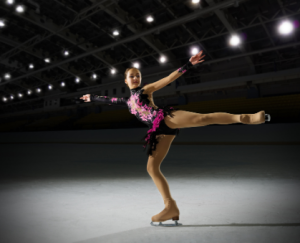
Injuries during figure skating are common and 50% are typically considered “overuse injuries”. 1,2,3. Common overuse injuries in figure skating include pain and dysfunction of the knee, such as PFPS or patellofemoral pain syndrome, stress fractures, low back pain, and hip pain. 4,5,6 Pairs and ice dance skaters have a higher risk of acute injury due of the nature of lifts and throw jumps.6 Figure Skating is a high impact sport with frequent jumps and landings, which can also put skaters at risk for urinary incontinence. If you are experiencing trouble with urine leaking during skating, physical therapy can help!
No matter the type of pain, dysfunction, or injury, our physical therapists can help you return to a high level of skating and prevent future injury. With an appropriate conditioning schedule, a skilled strength and stretching program, and an educated return to your training load, we can help get you back on the ice stronger than you were before your injury.
2. Injury prevention in skating
As much as we love helping athletes return successfully from an injury, we’d much rather prevent injuries before they happen in the first place! Research has shown that up to 50% of injuries in skating could be prevented or reduced with a skilled program of strength, flexibility, posture, and body mechanics. 6 Our physical therapists, can also help skaters prevent injuries by addressing poor boot fit and stress management. 6 If you would like to develop a personalized injury prevention program with one of our physical therapists, schedule a Wellness Visit today!

3. Boot and Skate Fit
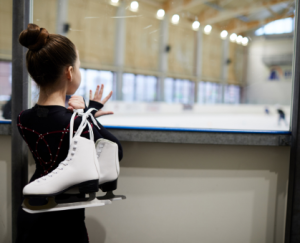
All athletes can benefit from a strength and flexibility program to help prevent injuries, but something unique to injury prevention in figure skating is boot fit. Proper boot selection, fit, and construction, can prevent an estimated 50% to 78% of figure skating injuries. 7,8 This means that getting a professional to look at your skates can make a really big difference in your likelihood of getting an injury and missing skating time. Boots get replaced often, so schedule a yearly check-up with your physical therapist to check out your boot fit, strength, flexibility, body mechanics, posture and more.
To schedule an in person or virtual physical therapy evaluation or Wellness Visit, contact us at 617-618-9290 or office@girlfitPT.com! For information on our safety protocols, check out our blog post Maintaining a Safe Environment for Girl Fit Patients & Staff. Stay tuned for a series of blog posts on figure skating specific injuries and further tips on injury prevention in figure skating.
Madeleine Hines, PT, DPT
 Follow us @girlfitrocks
Citations
- Brock RM, Striowski CC. Injuries in elite figure skaters. Phys Sports Med. 1986;14(1):111-115
- Garrick JG. Figure skating injuries. Med Sci Sports Exerc. 1982;14(2):141-145.
- Kjaer M, Larrson B. Psychological profile and incidence of injuries among elite figure skaters. J Sports Sci. 1992;10(1):29-36.
- Smith AD, Ludington R. Injuries in elite pair skaters and ice dancers. Am J Sports Med. 1989;17(4):482-488.
- Smith AD. Skating injuries: a guide to prevention and management. J Musculoskelet Med. 1997;14(2):10-29.
- Smith AD. Reduction of injuries among elite figure skaters: a 4-year longitudinal study. Med Sci Sports Exerc. 1991;23:151-153.
- Porter EB, Young CC, Niedfeldt MW, Gottschlich LM. Sport-specific injuries and medical problems of figure skates. Wis Med J. 2007;106(6):330-334.
- Smith AD. The young skater. Phys Med Rehab. 2000;19(4):741-755.